Medical Grade Chemical Peel
Dr. Gidon has been performing light chemical peels for over 20 years. On your initial consultation, she will assess your skin, address your specific concerns, and plan an individualized treatment program for you. She works closely with our aestheticians and supervises all aspects of treatment to ensure the safest, most effective results.
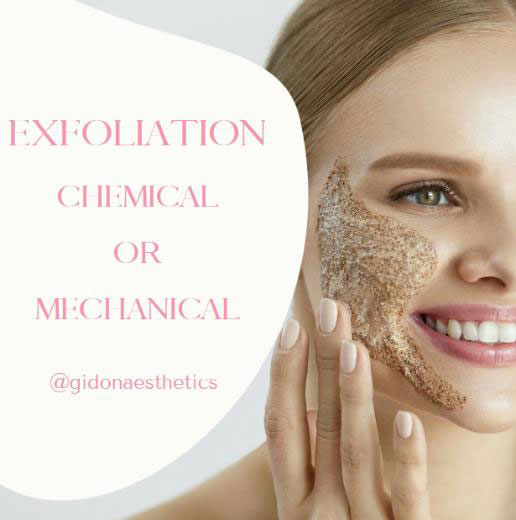
Most of our light chemical peels utilize glycolic acid, which is an alpha hydroxy acid (AHA) or fruit acid that is naturally found in sugar cane. It removes dead surface skin, revealing fresh, smooth skin underneath and stimulates the formation of new collagen to thicken skin. It is a mild, superficial peel that may cause tingling for a few minutes, but does not require a long recovery time. Improvement is noticed almost immediately. We use various strengths of glycolic acid to give the very best results. Depending on the skin type and the condition being treated, we may perform an AHA peel using lactic acid, or a beta hydroxy acid peel.
Both men and women of any skin colour can be treated successfully with light chemical peels. We also have specialized peels for teenage and adult acne, as well as rosacea. For full benefit, a series of 6 peels are performed, 2 to 4 weeks apart. You may experience mild redness for a few hours and a mild flaking the next day, but most patients can apply some make-up and continue with their regular activities. We even offer lunchtime peels and patients return to work right after their treatment. Sun protection is very important. One maintenance peel every 6 weeks or so will help keep skin fresh looking.
If you are prone to facial cold sores, Dr. Gidon will prescribe an antiviral medication for you to take before any peels to prevent a recurrence.
Why Choose Gidon Aesthetics & MediSpa?
Gidon Aesthetics & MediSpa is a leading cosmetic dermatology clinic in Toronto. Dr. Gidon, a leading Toronto dermatologist and her team of experienced medical staff are pleased to offer the latest in state-of-the-art cosmetic dermatology treatments. As a skin care expert, Dr. Gidon utilizes her extensive knowledge of dermatology together with her cosmetic procedures to offer patients the best possible care with the highest professional standards.
As a leading specialist in the field of cosmetic dermatology, Dr. Gidon has examined virtually every product and equipment available for non-invasive enhancement of your appearance. During your private consultation with Dr. Gidon, you can expect to benefit from a customized combination therapy recommendation that includes laser, light, ultrasound and radio frequency based equipment to tone and tighten the skin, remove age spots and spider veins, and reduce stubborn fat deposits.
Additionally, Dr. Gidon is also a leader in providing cosmetic injectables including Neuromodulators for Cosmetic Treatments and Dermal Fillers. These treatments are primarily performed to reduce the appearance of fine lines and wrinkles, restore a youthful facial contour, and soften deep folds in specific areas of the face.
Dr. Gidon focuses on non-surgical cosmetic facial and body enhancements. She believes in educating her patients about the vast assortment of cosmetic treatment options available today and takes pleasure in formulating an effective treatment plan that is customized for each patient.
What Conditions Benefit From Light Chemical Peels?
- Sun damaged skin
- Dull, rough skin
- Irregular, brown pigmentation, age spots and freckles
- Fine lines and mild acne scars
- Acne and rosacea
What Improvements Are Seen?
- Healthier-looking, more radiant skin
- Softer texture, smoother skin
- Reduction in brown pigmentation
- Improved acne and rosacea
- Reduction in fine lines and mild acne scars
What Areas Can Be Peeled?
Almost any area can be peeled. Most commonly, we treat the face, neck, chest, back, hands and feet.
Can Chemical Peels Be Combined With Other Anti-Aging Treatments?
Yes. Chemical peels complement other anti-aging treatments such as intense pulsed light, radio frequency skin tightening, laser treatments, microneedling, photodynamic therapy, microdermabrasion, neuromodulators and filler substances. We carry anti-aging products to help maintain the results of your treatments. Dr. Gidon offers all of these treatments and can customize a treatment plan for you.
Radiance Pigment Fading Treatment
What is Melasma?
Melasma is a skin condition which consists of dark patches on the face, mainly on the cheeks, forehead and above the mouth, but also occurring on the neck, chest and forearms. It occurs more commonly in women, but men can develop it as well. Melasma can be light to dark brown, and pigmentation can be superficial or deep. The deeper the pigment, the more difficult it is to treat.
What Causes Melasma?
It is caused by an increased production of melanin and any skin type can develop it. This pigmentation gradually darkens and is caused by prolonged sun exposure over many years. Melasma can also develop during pregnancy and with the use of oral contraceptive pills.
What is the Treatment for Melasma?
Sun protection is the most important part of treatment for melasma, since the pigment will continue to darken with sun exposure. Bleaching and fading creams, chemical peels, and certain types of laser treatments, can be used to fade the pigment, but it usually takes many months and maintenance treatment is often required. In some cases, melasma will not completely fade away and it may recur with sun exposure. If there is a history of cold sores (herpes simplex), oral antiviral medication will be prescribed.
How Does the Radiance Pigment Fading Treatment Work?
The Radiance Pigment Fading Treatment’s mechanism of action is based on the inhibition of tyrosinase, a basic enzyme involved in the formation of melanin. It consists of several fruity acids and plant extracts. It is applied to the skin and left on for 4 to 10 hours, depending on the skin type. The Radiance cream is then used daily for 3 to 6 months to prevent repigmentation. The mask can be reapplied after 2 to 3 months if needed.
What is the Skin’s Appearance After Treatment?
The skin is red for a few days and gently peels for about a week. At this point, fading is already noticed. Skin is much smoother, finer in texture and more luminous.
Why Is The Radiance Pigment Fading Treatment More Advantageous Over Other Fading Creams?
- It improves all types of melasma pigmentation.
- It can be used on all skin types.
- Lightening of the pigment can be seen within a few weeks.
- Hydroquinone can be avoided if there is a sensitivity.
- It improves the texture and radiance of the skin.
Dr. Martie Gidon
Dr. Martie Gidon trained in Dermatology at the University of Toronto and is a Board Certified Dermatologist in both Canada, as a Fellow of the Royal College of Physicians and Surgeons of Canada, and the United States, as a Diplomate of the American Board of Dermatology. She is a highly skilled and experienced Dermatologist and has been practicing Cosmetic Dermatology for over 20 years.


Convenient Financing
Gidon Aesthetics & MediSpa is pleased to offer patient financing for a wide variety of services through reputable patient financing companies.
LOOKING FOR A GIFT FOR SOMEONE SPECIAL?
We can gift wrap a special package for you!
NEW THIS MONTH
Learn about the latest cosmetic dermatology technology and treatments Gidon Aesthetics & MediSpa has to offer!
LOOKING FOR A GIFT FOR SOMEONE SPECIAL?
We can gift wrap a special package for you!
NEW THIS MONTH
Learn about the latest cosmetic dermatology technology and treatments Gidon Aesthetics & MediSpa has to offer!
STATE OF THE ART NON-SURGICAL REJUVENATION AND RESTORATION TREATMENTS